
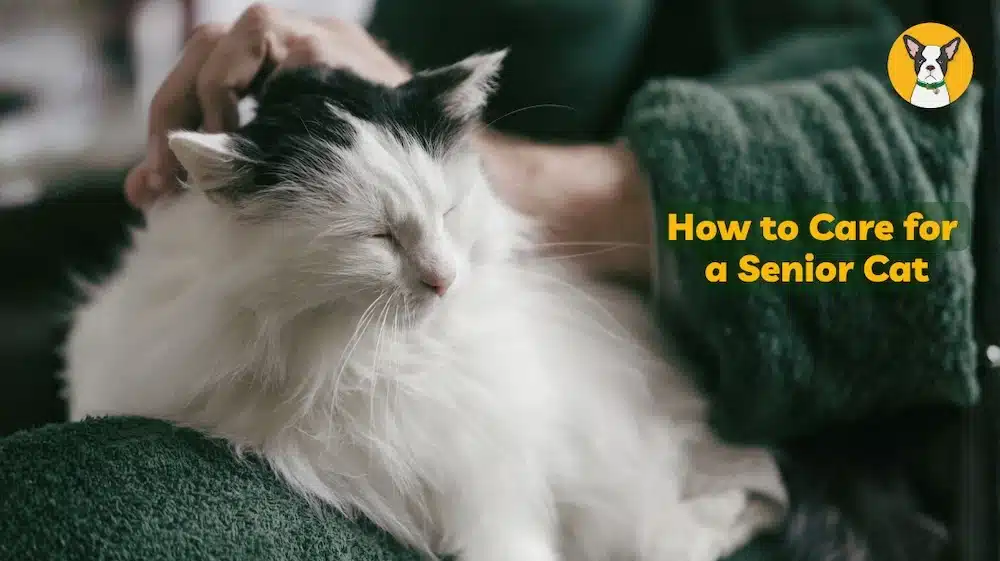


If you’re wondering how to care for your senior cat, you’re not alone. A 2022 survey showed that more than half the households with dogs or cats included a senior pet. Thanks to better food, indoor safety, and a more holistic approach to wellness, our cats aren’t just hitting double digits; they’re thriving well into their twenties.
But with those extra years comes an important responsibility: making sure our senior cats aren’t only living longer, but living well. True senior cat care means looking beyond the surface. Aging bodies may slow down, minds may shift, and emotional needs often grow deeper. This is what we call the senior pet revolution, a new era of care that respects the mind, body, and soul of our aging companions.
When is a Cat Considered a Senior?
Some vets start senior cat screenings after age 7, though cats are typically considered a senior cat and start showing age-related changes in behavior by the age of 11-12. By the time they hit 15, they enter the geriatric stage. Age is more than just a birthdate, though; it’s a shift in how they interact with their world. You might notice they aren’t making those high jumps onto the fridge anymore, or maybe they’re spending more time tucked away in a quiet sunbeam than they used to. These are the gentle reminders that it’s time to start thinking about how to support their joint comfort, mental clarity, and overall vitality.
Common Age-Related Changes in Older Cats
Aging isn’t a disease in itself, but it does mean your cat’s needs are evolving. As they move from adult cat to mature cat to senior cat to geriatric cat, they will experience many changes that usually show up in a few ways, from how their body physically holds up, to how their brain processes the world around them, to what kind of support they need from you. Understanding these shifts helps you stay ahead of the curve so you can be sure you’re supporting them in all the ways their aging bodies and minds need.
Physical Changes as Cats Age
One of the first things you’ll probably see as your cat ages is a change in their body weight or shape. Many older cats start to lose muscle mass, you might notice their spine feels a little knobbier when you pet them, while others might put on some extra weight because they just aren’t as active as they used to be.
The way they move and hold their body changes as cats age, too. If you notice your aging cat is jumping less, hesitating more before a leap, or taking the stairs more carefully, senior cat arthritis, or joint stiffness in senior cats, is a very common culprit. These senior cat mobility challenges can make their world feel much larger and more difficult to navigate than it used to be.
It’s also common for their grooming habits to change. If their fur starts looking a bit matted, oily, or “spiky,” it’s often because they physically can’t reach those spots anymore. You might also notice their claws getting thick, brittle, or even overgrown because they aren’t using their scratching posts with the same gusto. On top of that, senior cat’s senses start to dim; a cat that seems more stubborn in their old age or more easily startled might actually just be losing some of their hearing or vision.
 Behavioral and Cognitive Shifts
 Behavioral and Cognitive Shifts
Beyond the physical, there are common senior cat behavior changes that can sometimes catch pet parents off guard. You might notice your cat becoming more vocal, especially at night, that deep, soulful yowling often called “sundowning.” They might seem more restless, or on the flip side, much deeper sleepers who are harder to wake.
Cognitive changes in senior cats can also lead to occasional disorientation. You might see your cat seemingly get lost, or stuck in corners, or other changes to memory or focus. These are signs that your cat’s aging brain needs a little extra nourishment and a predictable routine to feel safe.
When to Call the Vet
While we expect a few gray hairs and a slower pace, some things should never be ignored. If you see sudden weight loss (even if they’re eating fine), a total change in their personality, or unexplained aggression, it’s time for a checkup. Because things can shift so quickly as they age, having yearly exams for senior cats, and once your cat is geriatric, twice-yearly wellness exams, is the best way to catch age related cat health issues before they become a crisis.
Supporting Your Senior Cat at Home: The Daily Routine
There are so many ways you can make sure you’re supporting your senior or aging cat as their needs change, from small shifts in your daily routine to their specific dietary and hydration needs. As your cat’s advocate, you’re the one who sees those tiny changes in how they move or behave every day. By making a few thoughtful adjustments to their world, you can help them navigate their golden years with a lot more confidence and a lot less frustration.
Accessibility for Senior Cats
As joint stiffness or mobility challenges set in, your cat’s world naturally starts to feel a bit larger and more difficult to navigate. If they have to travel across the house or up a flight of stairs just to get to their favorite bed or the litter box, they might eventually just stop trying.
- Litter Box: Many senior cats start having accidents because their litter box might be hard to access, or they just can’t lift their back legs over the high walls of a standard litter box. If you notice signs that your cat is struggling with joint stiffness and is having trouble with their litter box, try making sure they’re readily accessible, and try swapping them out for low-entry boxes or even a heavy-duty cookie sheet with high-quality litter. It’s a simple change that can be a total game-changer for an old cat with stiff joints.
- Traction: Hardwood and tile floors can feel like ice rinks for a senior cat with weak hind legs. Adding non-slip rugs or even yoga mats along their most-traveled paths gives them the grip they need to keep moving without the fear of a fall.
- Climbing & Jumping: If your cat can no longer make that big leap onto your bed or their favorite perch, don’t make them give up their favorite sleeping spot. Use carpeted pet stairs or a sturdy ottoman to create a mid-way point for them to climb up or reach their desired spots more easily.
Hydration & Nutrition for Senior Cats
When it comes to senior cats, kidneys are almost always the first body system to struggle. Keeping them hydrated and well-nourished is your #1 priority for cat longevity.
- Wet food: If you’re still feeding dry kibble, it’s time to make the switch. Cats have a naturally low thirst drive and rely on their food for hydration. Canned or fresh, moisture-rich food provides the water their kidneys desperately need to stay healthy.
- Multiple Water Sources: Don’t rely on just one bowl in the kitchen. Place fresh water sources in multiple rooms, especially near their favorite napping spots. Many seniors also prefer a water fountain, the sound and movement can encourage them to drink more water.
- Combatting “Whisker Fatigue”: As cats age, they can become more sensitive to the sides of deep bowls touching their whiskers. Try using wide, shallow bowls or even flat plates for their meals to make eating more comfortable.
- Warm it Up: A senior cat’s sense of smell often dulls, which can make them lose interest in their food. Try warming up their wet food for a few seconds to release the aroma, it’s often enough to jumpstart a picky cats appetite.
- Raised Bowls: Bending all the way down to the floor can be painful for a cat with neck or back stiffness. Raising their food and water bowls just a few inches off the ground can make a huge difference in their comfort at mealtime.
- Digestive Support: If you’re noticing more frequent constipation or digestive upset, you can dive deeper into how to balance their gut in our guide on cat digestive support.
Senior Cat Engagement & Exercise
Just because they aren’t doing backflips for toys anymore doesn’t mean older cats don’t need to move or play. Stagnation is the enemy of an aging body and mind, so consider opportunities for play or cat enrichment activities.
- Gentle Play: Swap the high-intensity chase games for gentler, ground-based play. Use a wand toy to mimic a bug crawling slowly across the floor or under a rug. It keeps their predatory instincts sharp without the high-impact jumping.
- Indoor “Sniffaris”: Cats live through their noses. Hide a few high-value treats around the living room or inside some new cardboard boxes they can explore. It’s great “brain work” that keeps them engaged and satisfied.
- Grooming: If your cat has stopped grooming those hard-to-reach spots, they need your help. A soft-bristle brush or a damp cloth is for more than their coat health, it also stimulates their circulation and gives you a chance to feel for any new lumps or bumps.
Routine & Comfort
Older cats are absolute creatures of habit. For a senior cat, especially one dealing with vision loss or cognitive changes, predictability is their version of a safety blanket.
- Environment: If your cat’s vision or memory is changing, avoid too many changes in their environment, like moving around furniture. A cat with vision loss or cognitive changes will rely on memory and familiarity to navigate their home, and constant changes in their environment can be disorienting.
- Reducing the Chemical Load: An aging cat’s liver and kidneys can struggle to filter out toxins. Try swapping harsh floor cleaners for pet-safe options like vinegar and water, and avoid synthetic air fresheners or “plug-ins” that can stress their system and irritate their sensitive lungs.
- Routine & Consistency: Try to keep feeding times, meds, and other routines as consistent as possible. This lowers their stress levels and helps prevent the “sundowning” confusion that many feline seniors experience in the evening.
- Comfort & Safety: If your cat is seeking out more alone time, let them. Ensure they have a warm, quiet place they can retreat to, where they won’t be bothered by kids or other pets. But also be sure to offer companionship, sometimes just sitting in the same room with them is exactly the support they need. Consider how long your cat is left alone if their needs are changing as they age.
Monthly Wellness Checklist for Senior Cats
In my senior rescue work, I’ve found that the best way to catch age-related cat health issues is through a “monthly check-in.” This keeps you in tune with your cat’s baseline so you notice the small issues before they become big issues.
- Grooming & Skin: Do a full-body brushing to reduce mats and stimulate circulation. While you’re at it, check for new lumps, bumps, or skin irritations. If you find any, clean the area with silver hydrosol and apply a soothing cat balm or salve.
- Nail & Paws: Senior cats often forget to “strop” their claws. Check for overgrowth (which can curve back into the paw pad) and trim the hair between the pads if they are slipping on hardwood floors.
- Mouth & Ears: Gently look at the gums for redness or inflammation—dental disease is a massive stressor for senior cats. Keep in mind that in holistic care, we view the mouth as the gateway to the rest of the body; bacteria from infected or inflamed gums can travel through the bloodstream directly to the heart and kidneys. Check the ears for wax or odor; a quick wipe with a natural solution like silver hydrosol can prevent deeper infections.
- Body & Weight: Run your hands down their back. Can you feel the ribs too easily? Is the spine getting knobbier? Adjusting their diet or adding more moisture-rich food can help maintain that vital muscle tone.
- Environment: Wash their bedding (senior cats can be more sensitive to allergens) and make sure any cat towers, ramps or steps are still sturdy and have good traction.
- Mental Health: Any changes in behavior or personality? Is your cat showing more clinginess or withdrawal lately? Also check in on their engagement, rotate their sensory or puzzle toys to keep their brain engaged.
Annual Wellness Checklist for Senior Cats
When you’re caring for a senior cat, an annual checkup is needed, particularly for geriatric cats over 15, we recommend moving to every six months. Here is what you should prioritize for your senior cats health:
- Full Physical Exam: A holistic-minded vet will assess joints, heart, lungs, and neurological reflexes.
- Vaccine Titers: Instead of routine boosters, ask for titer testing. Older immune systems can be sensitive; titers confirm if your senior cat still has active protection without the need for unnecessary revaccination.
- Senior Blood Panel & SDMA: This is the most critical tool for catching kidney (SDMA), liver, and thyroid issues before symptoms even show.
- Stool & Microbiome Testing: The gut is the seat of the immune system. Consider a functional stool test (like AnimalBiome) to ensure their microbiome is balanced.
- Cognitive Assessment: Discuss any pacing, confusion, or nighttime waking with your vet. This is the perfect time to review how MycoCat Clarity’s clinically backed formula can support their cognitive & neurological health.
Natural Senior Cat Support: HEAL and Clarity
While environmental changes are vital in supporting your senior cat, sometimes they need additional support for their brain, immune system, mobility and overall wellness as they age. We believe in a layered approach using high-quality CBD for Cats and functional mushrooms for cats.
 Supporting the Aging Body with HEAL
 Supporting the Aging Body with HEAL
As your cat ages, their internal systems are often working overtime to manage inflammation and keep things balanced. For senior cats dealing with joint stiffness, aches, immune challenges or neurological imbalance, we recommend HEAL: CBD Oil for Cats.
This is our most potent, full-spectrum hemp extract (FSHE), designed specifically for cats who need a higher level of support. Unlike CBD isolates for cats, or broad spectrum cat CBD, our HEAL formula contains a full range of cannabinoids and terpenes, which create the “entourage effect.” This means the plant’s compounds work together to be more effective than they would be alone. There are many benefits of CBD oil for cats, particularly for our senior cats who need more internal support.
How HEAL helps your senior cat:
- Mobility & Comfort: It interacts with the endocannabinoid system (the body’s master regulator) to support joint comfort and mobility, helping your cat feel more comfortable, and move easier when jumping or taking the stairs.
- Neurological Balance: It provides foundational support for a steady nervous system, which is vital for senior cats who may experience tremors or other age-related neurological shifts.
- Immune & Stress Support: It helps the body find its way back to “homeostasis” (internal balance), providing immune support, and allowing your cat to recover faster from the physical toll of aging, as well as helping your cat’s emotional balance, to help cats with stress.
 Supporting the Mind with MycoCat Clarity
 Supporting the Mind with MycoCat Clarity
If your cat has started staring at walls, forgetting where the litter box is, or yowling in the middle of the night, they’re likely dealing with “brain fog” or senior cat cognitive decline. This is where MycoCat Clarity comes in, a potent blend of medicinal mushroom extracts and adaptogens like Lion’s Mane, Reishi, and Ashwagandha.
It is important to note that this specific formula was the subject of a first-of-its-kind clinical study on age related cognitive decline in pets. While the participants were dogs, the research focused on how this exact blend of mushrooms and adaptogens supports brain health, memory, and focus, with 81% of participants showing improvement or stabilization in signs of cognitive decline.
How Clarity helps your senior cat:
- Cognitive Support: Lion’s Mane is often called a “brain food” because it is studied for its ability to support nerve growth and mental focus.
- Restful Sleep: Reishi and Ashwagandha work as adaptogens, helping your cat’s body adapt to stress and “sundowning” confusion, which leads to much quieter, more restful nights.
- Mental Clarity: This formula helps bridge the communication gap in the brain, helping your cat remember their routines and stay connected to their family.
FAQs: Caring for Your Senior Cat
When is a cat considered a senior?
Most veterinarians begin looking for age-related changes around age 7, which is when “mature” screenings usually start. However, a cat is typically considered a senior cat when they hit the 11 to 12-year mark. This is the stage where you’ll likely start seeing those subtle shifts in how they move, eat, and interact with the family.
How old is a senior cat?
In the world of feline health, a “senior” cat is generally 11 to 14 years old. Once a cat reaches 15 years or older, they move into the “geriatric” category. Because cats are living so much longer today, we often see “super-seniors” reaching their 20s, which is why a layered wellness approach—including a moisture-rich diet and HEAL: CBD oil for cats—is so vital for their longevity.
Senior cat behavior changes: what’s normal vs a red flag?
Slowing down a bit or sleeping more deeply is a normal part of aging. However, red flags include hiding, sudden irritability or aggression, missing the litter box, or “sundowning” (getting lost, disoriented or yowling loudly at night). These often point to pain or cat cognitive decline. For cats showing these signs, we recommend MycoCat Clarity to help support their aging brain and keep them feeling more present and connected.
Senior cat care tips for litter box, stairs, and arthritis-friendly homes?
For a cat with senior cat arthritis, the goal is making their world smaller and easier. Use low-entry litter boxes (like a heavy-duty cookie sheet), add carpeted ramps to their favorite perches, and place yoga mats on slippery floors for better traction. To support their physical comfort, integrating a full-spectrum CBD for cats like HEAL into their routine can help manage joint stiffness and make navigating the house much easier.
How often should a senior cat see the vet?
Once a cat hits their senior years (11-14), they should have a wellness exam every six months. For geriatric cats over 15, we recommend checkups every four months. Frequent visits are the only way to catch slow-progressing issues like kidney disease before they become a crisis.
What are some of the changes that occur in aging cats?
Aging brings both physical and behavioral shifts. Physically, you might notice a knobbier spine from muscle loss, a “spiky” coat because they can’t groom as well, or cloudy eyes. Behaviorally, you might see disorientation, changes in sleep patterns, or increased clinginess. Supporting them with the HEAL and Clarity helps address these changes from both a physical and cognitive perspective.
Does my senior cat still need to have regular booster vaccinations?
Not necessarily. Older immune systems can be more sensitive, and over-vaccination can be stressful for an aging body. We recommend asking your vet for a vaccine titer test instead of routine boosters. This measures their existing immunity so you only vaccinate if it’s truly necessary.
What is the #1 cause of death for senior cats?
Kidney disease and various forms of cancer are the leading causes of death in older cats. This is why proactive care—like maintaining high hydration and using immune-supportive tools like Reishi for cats (found in MycoCat Clarity) and HEAL CBD oil, is so important for their golden years.
Are senior cats hard to take care of?
Not at all! While they do require more observation and a few home adjustments, senior cats are incredibly rewarding. You’re trading the “chaos” of a kitten for a much more soulful, deep connection. They just need a bit more advocate-led support to keep them comfortable and clear-headed. By staying proactive with monthly rituals, keeping their environment accessible, and supporting their changing bodies with natural mushroom or CBD pet products, like HEAL and Clarity, you are doing more than just extending their life, you are improving the quality of every single day they have left.
What is considered old age for cats?
While 15 is technically the start of “old age” (geriatric), many cats live vibrantly into their late teens and early twenties with the right support. By focusing on the “Mind, Body, and Soul” of your cat—using tools like fresh food, HEAL, and Clarity—you can help ensure that “old age” is a time of peace and comfort rather than struggle.
